


The psychology behind gambling addiction Understanding the mind’s lure
The Allure of Gambling
Gambling captivates many individuals through the combination of excitement and the thrill of potentially winning. This emotional high is a significant factor in why people engage in gambling activities. The unpredictability of outcomes creates a rollercoaster of emotions, from elation during a win to despair in loss, drawing players back for more. The brain’s reward system is activated with every gamble, releasing dopamine—a neurotransmitter linked to pleasure—which reinforces the behavior. Additionally, reputable sites like https://www.hommersoncasino.co.uk/ offer diverse games that can enhance this thrill.

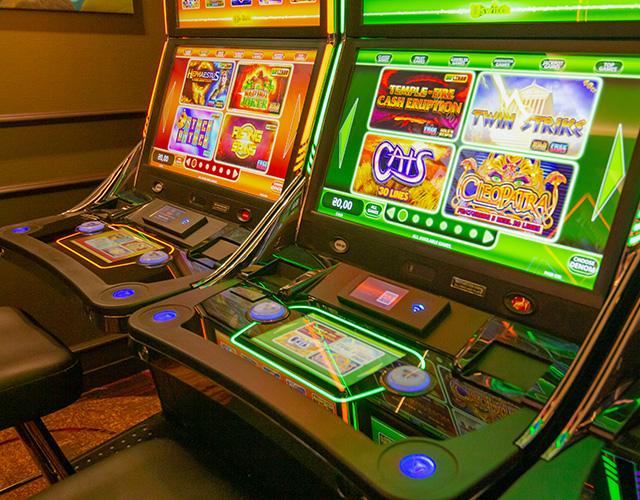
Moreover, gambling environments are designed to enhance this allure. Bright lights, alluring sounds, and the presence of other players create a stimulating atmosphere that heightens excitement. Gamblers often find themselves in a euphoric state, believing they have control over their fate. This illusion of control can significantly contribute to addiction, as players convince themselves that skill, strategy, or luck will lead to consistent wins, blurring the lines between recreational play and harmful obsession.
Mythology surrounding gambling often amplifies this allure. Common misconceptions include beliefs that certain strategies or rituals can improve odds, creating a false sense of confidence. The gambling industry capitalizes on these myths, making it difficult for players to recognize the risks involved. Understanding the psychological manipulations at play can help demystify the attraction of gambling and the dangers that lurk behind its facade.
Psychological Triggers and Vulnerabilities
The psychology of gambling addiction often hinges on psychological triggers and individual vulnerabilities. Factors such as personality traits, mental health conditions, and life experiences can contribute to an increased risk of developing a gambling problem. Individuals with impulsive behaviors or those struggling with anxiety or depression may find solace in gambling as a coping mechanism, using it as an escape from reality. The excitement of gambling can quickly escalate into a compulsive behavior, as individuals seek the emotional relief that comes from playing.
The cycle of chasing losses becomes a common theme; players often gamble to recover money lost in previous bets, which only fuels the addiction further. This cycle can create a dangerous spiral, leading to significant financial and emotional distress. Social environments also play a critical role in shaping gambling behavior. People who are surrounded by others who gamble or who frequent gambling establishments may feel pressured to conform to that lifestyle.
Biological Aspects of Addiction
The biological underpinnings of gambling addiction are significant and involve complex interactions within the brain. Research indicates that certain individuals may possess a genetic predisposition to addiction, affecting how their brains respond to rewards. These individuals might experience heightened pleasure responses, making the thrill of gambling more alluring compared to others. Neuroimaging studies have shown that areas of the brain associated with reward processing, such as the ventral striatum, are activated during gambling activities.
These areas are crucial for reinforcing behaviors that lead to pleasurable outcomes. Consequently, the more someone gambles, the more their brain becomes wired to seek that particular form of stimulation, making it increasingly challenging to resist the compulsion to play. Furthermore, the withdrawal symptoms faced when not gambling can be similar to those experienced by individuals addicted to substances. Feelings of irritability, anxiety, and restlessness can drive individuals back to gambling, perpetuating the cycle of addiction.
Breaking the Cycle: Treatment Approaches
Addressing gambling addiction requires a multifaceted approach that combines behavioral therapies, support systems, and sometimes medication. Cognitive-behavioral therapy (CBT) is one of the most effective treatment modalities, helping individuals identify and change harmful thought patterns associated with gambling. Through CBT, patients learn to manage their triggers and develop healthier coping mechanisms.
Support groups also play a crucial role in recovery. Organizations such as Gamblers Anonymous provide a platform for individuals to share their experiences, struggles, and successes. The sense of community and accountability found in these groups can significantly enhance the recovery process, offering encouragement and understanding from those who have faced similar challenges.
The Role of Online Gambling Platforms
Online gambling platforms, such as Hommerson Casino, provide a unique environment that combines convenience with a multitude of gaming options. While these platforms cater to diverse player preferences, they also require users to be aware of the risks associated with excessive gambling. The immersive experience provided by online casinos can heighten the risk of addiction, as players often find it easy to lose track of time and money while engaging in games.
Furthermore, the anonymity of online gambling can make it easier for individuals to gamble without accountability. This can exacerbate existing addiction issues, as players may feel less inclined to seek help or limit their play. It is essential for both players and operators to emphasize responsible gambling practices to mitigate these risks. Offering tools like self-exclusion options and gaming limits can promote healthier gaming behaviors.
Ultimately, platforms like Hommerson Casino have a responsibility to educate users about the potential psychological effects of gambling. By fostering a culture of transparency and support, they can contribute positively to the gaming community and help mitigate the risks associated with gambling addiction. Understanding the psychology behind gambling can empower players to make informed decisions and prioritize their well-being.